
Bird Diseases & Effects – County Bird Control
Why pigeons, seagulls and other pest birds need controlling | County Bird Control

Bird Diseases & Effects – Why pigeons, seagulls and other pest birds need controlling
Bird diseases have long been a concern for humans and the environment. These diseases can have a significant impact on both our health and the delicate balance of ecosystems. From pigeons to seagulls and other pest birds, the diseases they carry can spread rapidly and cause serious consequences.
Understanding the effects of bird diseases is crucial in order to implement effective control measures and protect ourselves and our surroundings.
Summary
- Bird diseases can spread to humans and cause serious health problems.
- Pest birds like pigeons and seagulls can cause property damage and economic losses.
- Controlling pest birds is important to prevent the spread of diseases and protect the environment.
- Methods of controlling pest birds include netting, spikes, and bird repellents.
- It is crucial to take action and implement pest bird control measures to ensure public health and safety.
The Importance of Controlling Pest Birds
Controlling pest birds is of utmost importance due to the numerous risks associated with their presence.
Pest birds, such as pigeons and seagulls, can cause significant damage to buildings, vehicles, and infrastructure.
Their droppings are not only unsightly but also corrosive, leading to costly repairs and maintenance. Moreover, these birds can transmit various diseases to humans through their droppings, feathers, and parasites they carry.
Failure to control pest birds can result in public health hazards and environmental imbalances.
Pigeon-Related Diseases and Their Effects
Pigeons are one of the most common pest birds found in urban areas.
They are known carriers of diseases such as histoplasmosis, cryptococcosis, and salmonellosis. Histoplasmosis is caused by a fungus found in pigeon droppings and can lead to respiratory problems in humans.
Cryptococcosis is a fungal infection that affects the central nervous system and can be fatal for individuals with weakened immune systems.
Salmonellosis is a bacterial infection that causes food poisoning-like symptoms. The accumulation of pigeon droppings in urban areas not only poses health risks but also damages buildings, monuments, and public spaces.
Seagull-Related Diseases and Their Effects
Seagulls are another common pest bird species that can carry diseases with serious consequences for humans. They are known carriers of E.coli, campylobacter, and listeria.
These bacteria can cause severe gastrointestinal infections, leading to symptoms such as diarrhoea, vomiting, and fever. In addition to the health risks, seagulls also cause damage to infrastructure and pose a threat to aviation safety.
Their nesting habits can clog drainage systems and their aggressive behaviour towards humans can result in injuries.
Other Pest Birds and Their Diseases
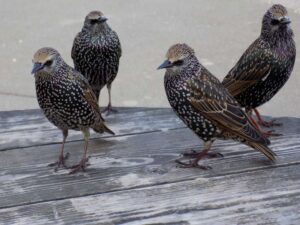
While pigeons and seagulls are the most well-known pest birds, other species can also carry diseases that pose risks to humans and the environment.
Starlings, for example, are known carriers of avian influenza, which can be transmitted to humans and cause severe respiratory illness. Sparrows can carry mites that cause allergic reactions in humans.
The diseases carried by these birds can have wide-ranging effects on public health and the delicate balance of ecosystems.
The Spread of Bird Diseases to Humans
Bird diseases can be transmitted to humans through various routes. Direct contact with bird droppings, feathers, or contaminated surfaces can lead to infection.
Inhaling dust particles contaminated with bird droppings can also result in respiratory infections. Additionally, parasites such as ticks and mites that infest birds can transmit diseases to humans through bites.
The risks associated with bird-to-human transmission are significant, especially in densely populated areas where interactions between humans and pest birds are more frequent.
Property Damage Caused by Pest Birds
Pest birds can cause extensive damage to properties, leading to significant financial burdens for individuals and communities.
Their droppings are not only unsightly but also highly corrosive. Over time, the acidic nature of bird droppings can deteriorate building materials, including roofs, facades, and statues.
The accumulation of droppings on walkways and pavements can also create slip hazards. Furthermore, nests built by pest birds can block gutters and drainage systems, resulting in water damage to buildings.
The Economic Impact of Pest Birds
The economic impact of pest birds extends beyond property damage. Businesses that rely on outdoor spaces, such as restaurants and cafes, can suffer from decreased customer traffic due to the presence of pest birds.
The costs associated with cleaning and repairing damage caused by these birds can be substantial, especially for large commercial buildings and public infrastructure.
Additionally, the tourism industry can be negatively affected if popular attractions become infested with pest birds, leading to a decline in visitor numbers and revenue.
Environmental Effects of Pest Birds
Pest birds can have detrimental effects on the environment. Their presence can disrupt natural ecosystems by outcompeting native bird species for resources such as food and nesting sites.
This can lead to a decline in biodiversity and upset the delicate balance of local ecosystems. Furthermore, the excessive droppings produced by pest birds can contaminate water sources, affecting aquatic life and vegetation.
The introduction of non-native bird species, often unintentionally facilitated by human activities, can also have long-lasting ecological consequences.
Methods of Controlling Pest Birds
Controlling pest birds requires a multi-faceted approach that combines humane methods with effective deterrents.
One common method is the use of physical barriers such as netting, spikes, and wire systems to prevent birds from roosting or nesting in unwanted areas.
Visual deterrents, such as scarecrows or reflective devices, can also be effective in deterring pest birds.
Additionally, sonic devices that emit distress calls or predator sounds can discourage birds from settling in specific locations. It is important to consider the specific needs and behaviours of each bird species when choosing the most appropriate control method.
Conclusion
In conclusion, the presence of pest birds poses significant risks to both humans and the environment. The diseases they carry can have severe health consequences, while their destructive behaviors can cause extensive property damage.
The economic impact of pest birds is substantial, affecting businesses and communities alike.
Furthermore, the environmental effects of these birds can disrupt ecosystems and threaten biodiversity.
It is crucial for individuals and businesses to take proactive steps in controlling pest birds, implementing humane and effective methods to mitigate the risks associated with their presence.
By doing so, we can protect our health, preserve our surroundings, and ensure a harmonious coexistence with the avian species that share our environment.