
Avian influenza, commonly referred to as bird flu, is a highly infectious viral disease that predominantly affects birds. However, certain strains of the virus can also be transmitted to humans, presenting a significant risk to public health.
In the United Kingdom, the most prevalent strain of bird flu is the H5N1 virus, which has the potential to cause severe illness and even mortality in both birds and humans.
It is essential to recognise that bird flu is distinct from seasonal influenza and requires specific measures to prevent its transmission and mitigate its impact.
The H5N1 virus is primarily found in wild birds, particularly waterfowl such as ducks and geese. However, it can also spread to domestic poultry, including chickens and turkeys.
In rare instances, the virus can be transmitted from birds to humans through close contact with infected birds or their faeces.
Although human-to-human transmission is limited, the potential for the virus to mutate and become more easily transmissible among humans is a cause for concern.
Consequently, it is vital for individuals and poultry farmers to be aware of the risks associated with bird flu and take appropriate precautions to prevent its transmission.
Summary
- Bird flu is a highly contagious viral disease that can affect both birds and humans
- Symptoms of bird flu in birds include sudden death, lack of energy, and decreased egg production
- Precautionary measures for bird flu include keeping birds indoors, avoiding contact with wild birds, and practicing good hygiene
- If you suspect bird flu, report it to the authorities and follow their containment guidelines
- Vaccination and biosecurity measures are key in preventing the spread of bird flu, and the government provides guidelines and support for its management
Recognizing the Symptoms of Bird Flu in Birds and Humans

Symptoms in Birds
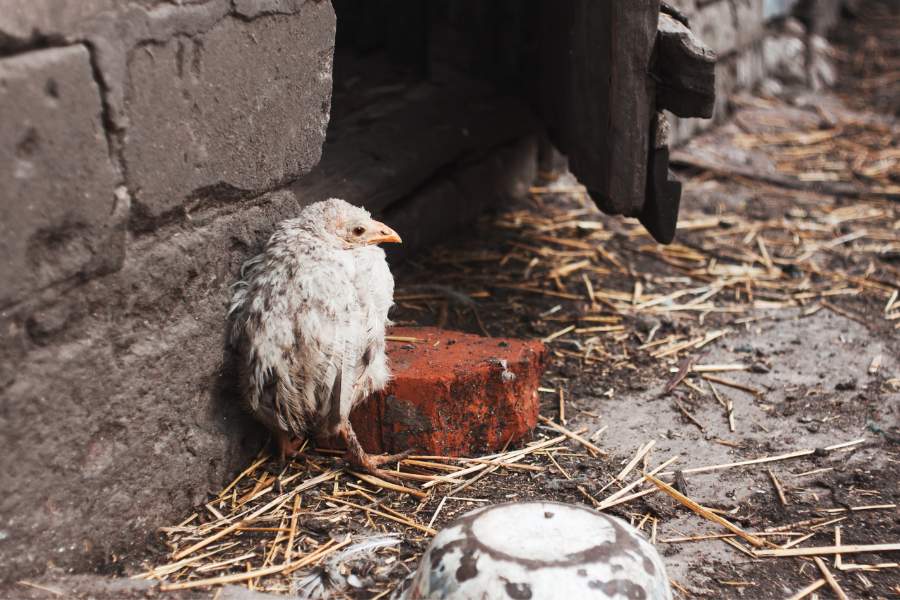
In infected birds, common symptoms include sudden death, lack of energy or appetite, respiratory distress, and a drop in egg production. Additionally, birds infected with the H5N1 virus may exhibit neurological signs such as head tremors, paralysis, or twisting of the neck.
Monitoring and Reporting
It is important for poultry farmers and bird owners to monitor their flocks closely for any signs of illness and report any unusual deaths or symptoms to the relevant authorities.
Symptoms in Humans and Prevention
In humans, the symptoms of bird flu can range from mild to severe and may include fever, cough, sore throat, muscle aches, and difficulty breathing.
In severe cases, the virus can lead to pneumonia, acute respiratory distress syndrome, and even death.
It is important for individuals who have been in close contact with infected birds or poultry to seek medical attention if they develop flu-like symptoms, especially if they have recently travelled to areas where bird flu outbreaks have been reported.
Early diagnosis and treatment are crucial for preventing the spread of the virus and reducing the risk of complications.
Precautionary Measures: How to Protect Yourself and Your Birds
To protect yourself and your birds from bird flu, it is important to implement precautionary measures that reduce the risk of exposure to the virus.
For poultry farmers and bird owners, this includes maintaining strict biosecurity measures such as controlling access to farms, disinfecting equipment and vehicles, and monitoring the health of their flocks regularly.
It is also advisable to avoid contact with wild birds and to report any unusual deaths or symptoms in domestic poultry to the Animal and Plant Health Agency (APHA).
For individuals, especially those living in rural areas or working in close proximity to birds, it is important to practice good hygiene and avoid handling sick or dead birds.
This includes washing hands thoroughly with soap and water after handling birds or their droppings, as well as wearing protective clothing and masks when necessary.
Additionally, it is advisable to avoid consuming raw or undercooked poultry products and to follow food safety guidelines when preparing and cooking poultry.
Reporting and Containment: What to Do If You Suspect Bird Flu
| Advice | What to do |
|---|---|
| If you find dead wild birds | Report them to the Defra helpline |
| If you keep poultry or captive birds | Keep them housed or separate from wild birds |
| If you find a sick or dead bird in your garden | Contact the RSPCA or your local vet |
| If you are a bird keeper | Register with the Animal and Plant Health Agency |
If you suspect that your birds may be infected with bird flu or if you have been in close contact with infected birds, it is important to report your concerns to the relevant authorities immediately.
In the UK, this means contacting the APHA or your local Animal Health Office to report any unusual deaths or symptoms in your flock. The APHA will then conduct an investigation to determine whether bird flu is present and implement appropriate measures to contain the virus.
In the event of a suspected or confirmed outbreak of bird flu, it is important for poultry farmers and bird owners to cooperate fully with the authorities and follow their guidance on containment measures.
This may include quarantining affected premises, culling infected birds, and implementing strict biosecurity protocols to prevent the spread of the virus. It is also important for individuals to follow any public health advice issued by the government and to seek medical attention if they develop symptoms of bird flu.
Vaccination and Treatment Options for Birds and Humans
Vaccination plays a crucial role in preventing the spread of bird flu in both birds and humans.
In the UK, poultry farmers are required to vaccinate their flocks against certain strains of avian influenza to reduce the risk of outbreaks.
Additionally, individuals who are at high risk of exposure to bird flu, such as poultry workers and healthcare professionals, may be offered vaccination to protect themselves from the virus.
In terms of treatment options, antiviral medications such as oseltamivir (Tamiflu) may be prescribed for individuals who have been exposed to bird flu or who have developed symptoms of the virus.
These medications can help reduce the severity of the illness and prevent complications in both birds and humans.
However, it is important to note that antiviral medications are most effective when taken early in the course of the illness, so prompt medical attention is essential for anyone suspected of having bird flu.
Government Guidelines and Support for Bird Flu Management
The UK government provides guidelines and support for managing outbreaks of bird flu in both birds and humans. This includes issuing regular updates on the status of bird flu outbreaks, providing advice on biosecurity measures, and coordinating efforts to contain the virus.
The government also works closely with international organisations such as the World Health Organization (WHO) and the Food and Agriculture Organization (FAO) to monitor global trends in bird flu and develop strategies for its prevention and control.
In the event of a suspected or confirmed outbreak of bird flu, the government may implement control measures such as movement restrictions, culling infected birds, and offering support to affected poultry farmers.
Additionally, public health agencies work to ensure that individuals who have been exposed to bird flu receive appropriate medical care and support. By following government guidelines and cooperating with public health authorities, individuals can help prevent the spread of bird flu and contribute to its effective management.
In conclusion, bird flu poses a significant threat to both birds and humans in the UK.
By understanding the risks associated with bird flu, recognising its symptoms, implementing precautionary measures, reporting suspected cases, and following government guidelines, individuals can help prevent its spread and protect themselves and their birds from infection.
It is important for poultry farmers, bird owners, and individuals at high risk of exposure to bird flu to remain vigilant and take appropriate action to reduce the risk of transmission.
By working together with public health authorities and following best practices for biosecurity and containment, we can effectively manage outbreaks of bird flu and minimise its impact on both animal and human health.
FAQs
What is bird flu?
Bird flu, also known as avian influenza, is a viral infection that primarily affects birds. It can also infect humans and other animals.
What are the symptoms of bird flu in humans?
The symptoms of bird flu in humans can include fever, cough, sore throat, muscle aches, and difficulty breathing. In severe cases, it can lead to pneumonia and other life-threatening complications.
How is bird flu transmitted to humans?
Bird flu can be transmitted to humans through direct contact with infected birds or their droppings, as well as through consumption of contaminated poultry products.
What should I do if I suspect I have been exposed to bird flu?
If you have been in close contact with birds or poultry and develop flu-like symptoms, it is important to seek medical attention immediately. Inform your healthcare provider about your potential exposure to bird flu.
How is bird flu treated in humans?
Treatment for bird flu in humans typically involves antiviral medications and supportive care to manage symptoms and prevent complications. It is important to seek medical attention promptly if you suspect you have been infected.
What measures are being taken in the UK to prevent the spread of bird flu?
In the UK, measures to prevent the spread of bird flu include strict biosecurity measures on poultry farms, surveillance of wild bird populations, and public health campaigns to raise awareness about the risks of bird flu.
Is it safe to eat poultry products during a bird flu outbreak?
Yes, it is safe to eat properly cooked poultry products during a bird flu outbreak. Cooking poultry to the recommended temperature of 165°F (74°C) kills the bird flu virus and reduces the risk of infection.