
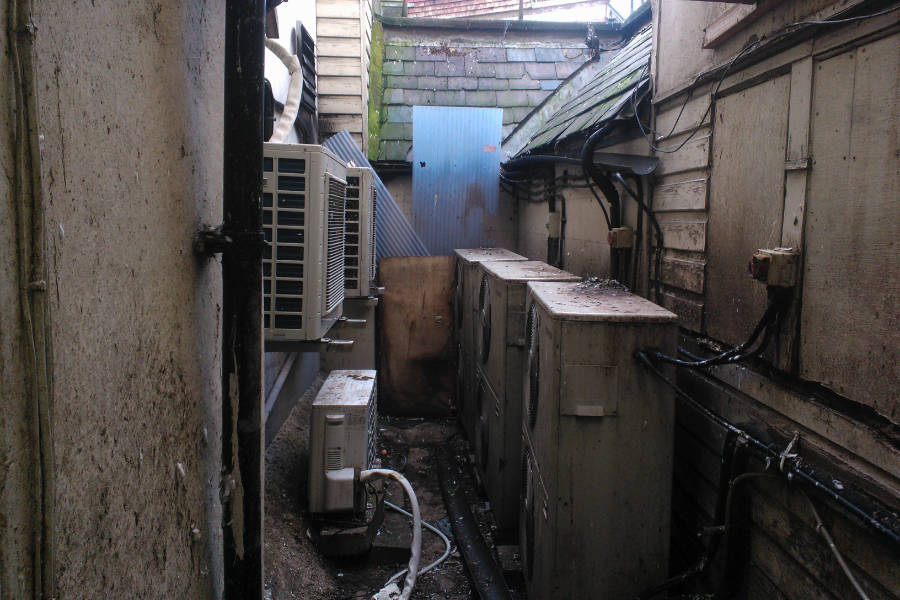
In the bustling urban and suburban landscapes, a silent scourge lurks, threatening the very comfort and efficiency of our air conditioning systems.
Bird droppings, a ubiquitous presence on rooftops and outdoor units, have become an unsightly and unpleasant blight, with far-reaching consequences.
The prevalence of these avian deposits in our built environments is a testament to the adaptability and resilience of our feathered friends, who have found a cozy home amidst the concrete and steel. However, the impact of their waste on our climate control systems is anything but welcome.
The unsightly nature of bird droppings on air conditioning units is not merely an aesthetic concern; it speaks to a deeper, more insidious problem.
These unsavoury deposits not only mar the appearance of our carefully maintained equipment, but they also pose a potential health hazard. Bird waste can harbour a variety of pathogens, including bacteria, viruses, and parasites, which can pose a risk to both the occupants of the building and the HVAC technicians tasked with maintaining the system.
The acidic nature of the droppings can also lead to corrosion and damage to the delicate components of the air conditioning unit, further compromising its performance and longevity.
The prevalence of bird droppings in urban and suburban areas is a testament to the adaptability and resilience of our feathered friends, who have found a cozy home amidst the concrete and steel.
From the towering skyscrapers to the quaint suburban homes, these avian residents have made their presence known, leaving their mark in the most inconvenient of places.
The unsightly and unpleasant nature of their waste on air conditioning units is a constant reminder of the delicate balance we must strike between our own comfort and the natural world that surrounds us.
Key Takeaways
- Bird droppings can have a significant impact on the efficiency and performance of air conditioning systems.
- Avian excrement can compromise cooling efficiency and lead to costly maintenance and repairs for HVAC systems.
- It is important to understand the risks and challenges associated with bird droppings in order to effectively mitigate their impact on air conditioning.
- Tackling the problem of bird droppings in air conditioning requires proactive solutions and maintenance strategies.
- Addressing the issue of bird droppings in air conditioning is essential for maintaining optimal cooling performance and efficiency.
Feathered Foes: The Avian Assault on Your Climate Control
The air conditioning unit, a bastion of modern comfort, has become an unexpected target for our feathered foes.
These winged creatures, drawn to the warmth and shelter provided by the outdoor components of our climate control systems, have found a new home amidst the metal and plastic.
The nesting and roosting habits of birds, from pigeons to sparrows, have led to the accumulation of their droppings on these vital pieces of equipment, creating a formidable challenge for homeowners and building managers alike.
The attraction of air conditioning units to birds is a complex interplay of factors, from the warmth they provide to the potential for nesting and roosting.
These creatures, driven by their innate instincts, have discovered the perfect refuge in the cozy nooks and crannies of our climate control systems.
The outdoor units, with their sheltered spaces and proximity to food sources, have become a prime target for these avian residents, who have made themselves at home, much to the chagrin of the humans they share the space with.
The impact of this avian invasion on the efficiency and performance of air conditioning systems is undeniable.
As the birds establish their nests and roost, the accumulation of their droppings on the delicate components of the unit can have far-reaching consequences.
The insulating properties of the waste can impede heat transfer, reducing the overall cooling capacity of the system. Additionally, the clogging of air filters and coils by the bird droppings can severely restrict airflow, further compromising the system’s ability to effectively cool the desired space.
This feathered assault on our climate control systems is a constant battle, one that requires vigilance and proactive measures to mitigate the impact of these winged foes.
A Fowl Predicament: How Avian Excrement Compromises Cooling Efficiency
The presence of bird droppings on air conditioning units is more than just an unsightly nuisance; it is a formidable challenge that can compromise the very efficiency and performance of these vital climate control systems.
The insulating properties of the avian waste, combined with its ability to clog and corrode the delicate components of the unit, create a perfect storm of problems that can have far-reaching consequences.
The insulating properties of bird droppings can have a significant impact on the heat transfer capabilities of air conditioning units. As the waste accumulates on the coils and other surfaces, it creates a barrier that impedes the efficient transfer of heat from the indoor air to the outdoor environment.
This reduction in heat transfer efficiency can lead to a decrease in the overall cooling capacity of the system, forcing it to work harder and consume more energy to maintain the desired temperature.
The clogging of air filters and coils by the bird droppings further exacerbates this problem, as the restricted airflow compromises the system’s ability to effectively circulate and cool the air.
The acidic nature of bird waste can also pose a threat to the integrity of the air conditioning components. Over time, the corrosive properties of the droppings can cause damage to the metal surfaces, leading to the deterioration of critical parts and the potential for system breakdowns.
This not only compromises the performance of the unit but also shortens its lifespan, resulting in the need for more frequent repairs and replacements.
The impact of bird droppings on air conditioning systems is a multifaceted problem that extends beyond just the immediate effects on cooling efficiency.
The presence of the waste can also create an environment conducive to the growth of mold and bacteria, further exacerbating the health concerns associated with these avian deposits.
The combination of insulating properties, clogging, and corrosive effects creates a fowl predicament that requires a comprehensive and proactive approach to address.
Droppings Dilemma: The Detrimental Effects of Bird Waste on HVAC Systems
The presence of bird droppings on air conditioning units can have a profound and detrimental impact on the overall performance and efficiency of HVAC systems.
As these unsavoury deposits accumulate on the delicate components of the climate control equipment, the consequences can be far-reaching, affecting both the energy consumption and the longevity of the system.
The increased energy consumption and reduced cooling capacity of air conditioning units affected by bird droppings is a significant concern.
The insulating properties of the waste, as well as the clogging of air filters and coils, can impede the efficient transfer of heat, forcing the system to work harder and consume more energy to maintain the desired temperature.
This not only leads to higher utility bills for the building’s occupants but also contributes to the overall environmental impact of the HVAC system’s operation.
The risk of system breakdowns and premature wear and tear due to the presence of bird waste is another pressing issue. The corrosive nature of the droppings can cause damage to the metal components of the air conditioning unit, leading to the deterioration of critical parts and the potential for costly repairs or even the need for early replacement.
This not only disrupts the comfort and convenience of the building’s occupants but also places a financial burden on the building owners or managers.
The presence of bird droppings in HVAC systems can also create an environment conducive to the growth of mold and bacteria, further exacerbating the health concerns associated with these avian deposits.
The combination of the insulating properties, clogging effects, and corrosive nature of the waste can create a perfect storm of problems that can have far-reaching consequences for the building’s occupants and the overall performance of the climate control system.
Avian Affliction: Navigating the Challenges of Bird Droppings and Air Conditioning
| Effect of Bird Droppings on Air Conditioning | Impact |
|---|---|
| Reduced Efficiency | Decreased airflow and cooling capacity |
| Corrosion | Damage to the condenser coils and other components |
| Health Risks | Bacteria and fungi in the droppings can be harmful |
| Increased Maintenance | More frequent cleaning and potential repairs |
Dealing with the presence of bird droppings on air conditioning units is a challenge that requires a multifaceted approach.
The difficulties in preventing and removing these unsavoury deposits are compounded by the persistent nature of the problem and the need for ongoing vigilance and maintenance.
Preventing birds from nesting and roosting near air conditioning equipment is a crucial first step in addressing the issue of bird droppings.
The installation of physical barriers, such as wire mesh or spikes, can deter these winged visitors from accessing the vital components of the climate control system. Additionally, the use of ultrasonic deterrents or visual scare tactics can help discourage the birds from establishing a presence in the vicinity of the air conditioning units.
Regular maintenance and cleaning of the air conditioning system is essential in mitigating the impact of bird droppings. The removal of the waste through specialized cleaning techniques and the use of appropriate cleaning products can help restore the efficiency and performance of the unit.
However, this process requires diligence and attention, as the accumulation of the droppings can be a persistent problem that requires ongoing monitoring and intervention.
The importance of proactive measures in addressing the issue of bird droppings on air conditioning systems cannot be overstated.
Building owners, managers, and homeowners must be vigilant in recognizing the signs of avian activity and take immediate action to prevent the accumulation of the waste.
By collaborating with HVAC professionals and wildlife management experts, they can develop a comprehensive strategy to deter birds, remove the droppings, and maintain the integrity of their climate control systems.
Soiled Solutions: Tackling the Problem of Avian Excrement in Air Conditioning
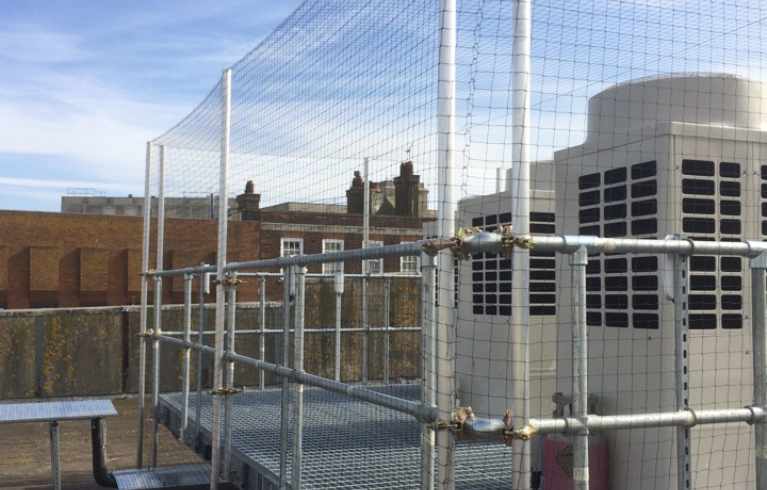
Addressing the challenge of bird droppings on air conditioning units requires a multifaceted approach that combines physical barriers, specialized cleaning techniques, and the expertise of professional HVAC maintenance services.
The goal is to not only remove the unsightly and potentially hazardous waste but also to prevent its recurrence, ensuring the efficient and reliable operation of the climate control system.
The installation of physical barriers, such as wire mesh or spikes, around the air conditioning unit can be an effective deterrent against birds.
These physical obstacles make it more difficult for the winged visitors to access the vital components of the system, discouraging them from nesting or roosting in the vicinity.
Additionally, the use of ultrasonic devices or visual scare tactics can further deter the birds, creating an environment that is less inviting for their presence.
When it comes to the removal of existing bird droppings, the use of specialised cleaning products and techniques is crucial. These cleaning solutions are designed to effectively break down and remove the waste, while also addressing any potential issues of corrosion or damage to the air conditioning components.
The expertise of County Bird Control can be invaluable in this process, as they possess the knowledge and equipment necessary to tackle the problem efficiently and safely.
The role of professional bird control technicians extends beyond just the removal of bird droppings.
We can provide guidance on preventive measures, such as the installation of physical barriers, the implementation of deterrent systems, and the development of a comprehensive maintenance plan to ensure the ongoing protection of the air conditioning unit.
By collaborating with us, building owners and managers can take a proactive approach to addressing the issue of avian excrement, safeguarding the performance and longevity of their climate control systems.
Winged Woes: Mitigating the Risks of Bird Droppings for Your Cooling Needs
The presence of bird droppings on air conditioning units poses not only a threat to the efficiency and performance of the climate control system but also a potential health risk to the building’s occupants and the HVAC technicians tasked with maintaining the equipment.
Addressing this challenge requires a comprehensive understanding of the various risks and the implementation of appropriate safety measures.
The potential health risks associated with exposure to bird droppings are a significant concern. These avian deposits can harbour a variety of pathogens, including bacteria, viruses, and parasites, which can pose a threat to human health.
Proper personal protective equipment, such as gloves, masks, and eye protection, is essential for HVAC technicians when handling or working in close proximity to the contaminated areas.
Additionally, the proper disposal of the waste and the decontamination of the work area are crucial steps in mitigating the health risks.
The financial implications of dealing with the consequences of bird waste on air conditioning systems can be substantial.
The increased energy consumption, the risk of system breakdowns, and the need for premature replacement or repairs can all contribute to a significant financial burden for building owners and managers.
Proactive measures, such as regular maintenance and the implementation of preventive strategies, can help to mitigate these costs and ensure the long-term efficiency and reliability of the climate control system.
The long-term benefits of addressing the issue of bird droppings on air conditioning units extend beyond just the immediate concerns.
By maintaining a clean and efficient system, building owners and managers can enjoy the continued comfort and convenience of their climate control, while also reducing the environmental impact and the financial strain associated with the problem.
The collaboration between homeowners, HVAC professionals, and wildlife management experts is essential in developing and implementing effective solutions to this winged woe.
A Messy Menace: Understanding the Impact of Avian Waste on Air Conditioning Performance
The presence of bird droppings on air conditioning units is more than just an unsightly nuisance; it is a complex and multifaceted problem that can have a significant impact on the performance and efficiency of these vital climate control systems.
Understanding the various ways in which the avian waste can compromise the operation of the HVAC equipment is crucial in developing effective strategies to address this challenge.
The insulating properties of bird droppings can impede the efficient transfer of heat, reducing the overall cooling capacity of the air conditioning unit.
As the waste accumulates on the coils and other surfaces, it creates a barrier that hinders the system’s ability to effectively dissipate the heat from the indoor air to the outdoor environment.
This reduction in heat transfer efficiency can lead to increased energy consumption as the unit struggles to maintain the desired temperature.
The clogging of air filters and coils by the bird droppings is another significant issue that can impact the performance of the air conditioning system.
The restricted airflow caused by the accumulation of the waste can compromise the system’s ability to circulate and cool the air, further reducing its efficiency and effectiveness.
The corrosive nature of the bird droppings can also pose a threat to the integrity of the air conditioning components.
Over time, the acidic properties of the waste can cause damage to the metal surfaces, leading to the deterioration of critical parts and the potential for system breakdowns.
This not only disrupts the comfort and convenience of the building’s occupants but also shortens the lifespan of the HVAC equipment, necessitating more frequent repairs or replacements.
Recognizing the signs of bird-related issues in air conditioning systems is crucial for homeowners and building managers.
The presence of visible droppings, reduced cooling performance, and increased energy consumption are all potential indicators that the system may be affected by the avian waste.
Addressing these problems promptly and effectively is essential in maintaining the efficiency and longevity of the climate control equipment.
Feathered Foes and Cooling Conundrums: Addressing the Issue of Bird Droppings in Air Conditioning
Addressing the challenge of bird droppings on air conditioning systems requires a comprehensive and collaborative approach that involves multiple stakeholders.
Homeowners, building managers, HVAC professionals, and wildlife management experts must work together to develop and implement effective solutions that not only address the immediate problem but also prevent its recurrence.
The importance of a holistic approach to dealing with bird droppings in air conditioning systems cannot be overstated.
Physical barriers, such as wire mesh or spikes, can help deter the birds from accessing the vital components of the climate control equipment.
Specialised cleaning products and techniques can be employed to remove the existing waste, while the expertise of HVAC technicians can ensure the proper restoration and maintenance of the system.
The collaboration between homeowners, HVAC professionals, and wildlife management experts is crucial in addressing the issue of bird droppings.
Building owners and managers can work with HVAC technicians to implement preventive measures, develop comprehensive maintenance plans, and respond promptly to any signs of avian activity.
Wildlife management experts can provide guidance on effective deterrent strategies and help to address the root cause of the problem by addressing the birds’ nesting and roosting habits.
The long-term benefits of maintaining a clean and efficient air conditioning system free from the impact of bird waste are numerous.
Homeowners and building occupants can enjoy the continued comfort and convenience of their climate control, while building owners and managers can reap the financial rewards of reduced energy consumption, extended equipment lifespan, and fewer costly repairs.
By addressing the issue of bird droppings proactively and collaboratively, we can ensure the optimal performance and longevity of our air conditioning systems, creating a harmonious coexistence between our built environments and the natural world that surrounds us.
FAQs
What are the effects of bird droppings on air conditioning units?
Bird droppings can cause damage to air conditioning units by corroding the metal components, clogging the fins and coils, and reducing the unit’s efficiency. This can lead to increased energy consumption and potential breakdowns.
How do bird droppings corrode air conditioning units?
Bird droppings contain uric acid, which is highly corrosive to metal surfaces. When left on an air conditioning unit, the uric acid can eat away at the metal, leading to rust and deterioration.
Can bird droppings clog air conditioning fins and coils?
Yes, bird droppings can clog the fins and coils of an air conditioning unit, reducing airflow and heat transfer. This can lead to decreased efficiency and increased energy consumption.
What are the potential health risks associated with bird droppings on air conditioning units?
Bird droppings can harbour harmful bacteria and fungi, such as E. coli and histoplasma, which can pose health risks if inhaled. It is important to clean and disinfect air conditioning units that have been contaminated with bird droppings to prevent the spread of these pathogens.
How can I protect my air conditioning unit from bird droppings?
To protect your air conditioning unit from bird droppings, consider installing bird deterrents such as spikes, nets, or visual deterrents. Regularly inspect and clean the unit to remove any droppings and prevent damage.