
In the bustling town of Dover, Kent, residents and business owners are all too familiar with the persistent presence of various bird species that have become a nuisance.
From the ubiquitous urban dwellers to the coastal scavengers, these feathered foes can pose a significant challenge to maintaining a clean and safe environment. Understanding the common bird pests in the area is the first step in developing an effective bird control strategy.
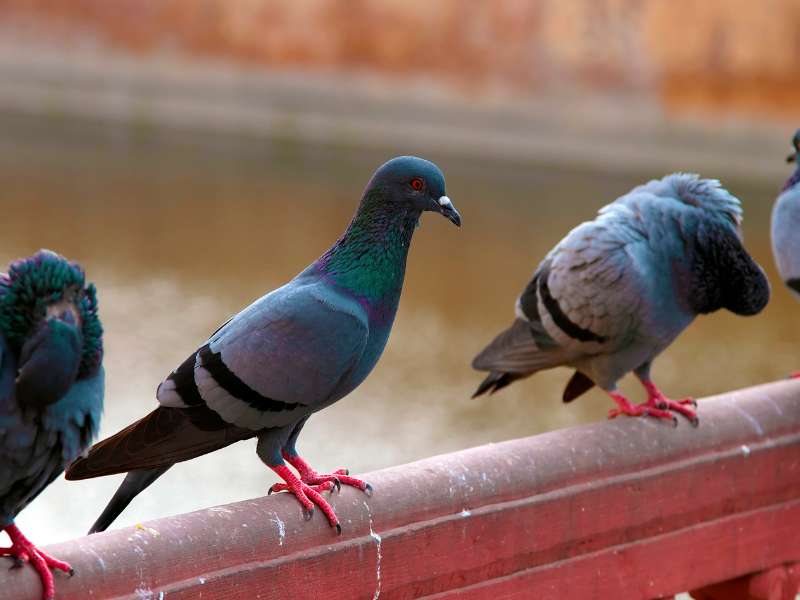
Pigeons, the quintessential urban dwellers, are undoubtedly the most prevalent bird pest in Dover. These adaptable birds have thrived in the town’s built-up environment, finding ample food sources and nesting sites in the nooks and crannies of buildings.
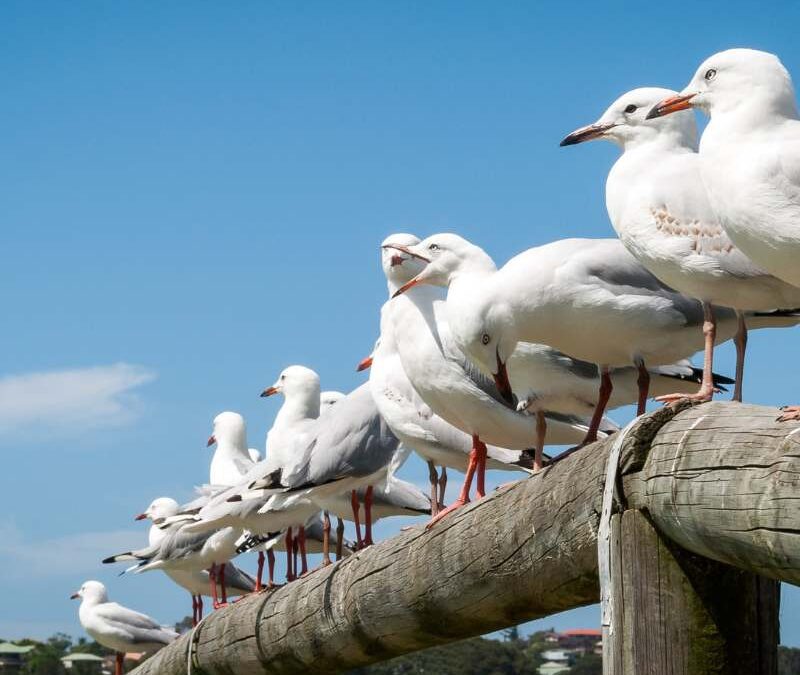
Their prolific breeding and tendency to roost in large numbers can lead to an accumulation of droppings, which not only create unsightly messes but also pose health risks. Gulls, on the other hand, are the coastal scavengers that have become a common sight in Dover, particularly near the harbour and seafront.
These opportunistic birds are known for their aggressive behaviour, swooping down to snatch food from unsuspecting passersby and leaving behind a trail of mess and destruction.
Starlings, the noisy invaders, are another bird species that have become a nuisance in Dover. These highly social birds often form large flocks that can create a cacophony of sounds, disrupting the peace and tranquility of the town.
Their tendency to roost in large numbers can also lead to significant accumulations of droppings, which can damage buildings and infrastructure. Sparrows, the adaptable opportunists, may not be as visually striking as their larger counterparts, but they can still pose a problem.
These small birds are known for their ability to exploit any available nesting sites, including crevices and eaves, and their presence can contribute to the overall bird-related issues faced by residents and businesses in Dover.
Key Takeaways
- Common bird pests in Dover, Kent include seagulls, pigeons, and starlings.
- Signs of a bird problem can include nests, droppings, and damage to property.
- Effective bird-proofing techniques for homes include installing spikes, nets, and deterrent gels.
- Bird control measures for commercial premises may involve using bird spikes, electronic deterrents, and bird netting.
- Ethical approaches to bird management in Dover include using humane deterrents such as sound devices and visual repellents.
Assessing the Avian Invasion: Recognising the Signs of a Bird Problem
The presence of bird pests in Dover, Kent, can be readily identified through various tell-tale signs. One of the most obvious indicators is the accumulation of droppings and nesting materials around the property.
Pigeons, gulls, starlings, and sparrows all leave behind their distinctive marks, which can range from unsightly splatters to large piles of nesting debris.
These droppings not only create an unpleasant visual but can also pose health hazards, as they can harbour diseases and parasites.
Increased bird activity and noise is another clear sign that a property is facing an avian invasion. The constant presence of birds, their incessant calls, and the sound of their wings flapping can be a constant source of disturbance for both residents and businesses.
This heightened bird activity may indicate that the property has become an attractive nesting or roosting site, and immediate action may be required to address the issue.
The damage caused by birds to buildings and infrastructure is another telltale sign of a bird problem. Pigeons and gulls, in particular, are known for their ability to cause significant damage through their nesting and roosting behaviours.
Their droppings can erode and stain surfaces, while their nesting materials can clog gutters and downspouts, leading to water damage and potential structural issues. In some cases, the weight of large bird populations can even compromise the integrity of roofs and other building components.
Finally, the health and safety concerns associated with bird pests cannot be overlooked. Bird droppings can harbour a range of diseases, including histoplasmosis, cryptococcosis, and salmonellosis, which can pose a serious threat to human health.
Additionally, the presence of aggressive birds, such as gulls, can create a hazardous environment for employees, customers, and the general public, increasing the risk of injury from bird attacks or collisions.
Safeguarding Your Property: Effective Bird-Proofing Techniques for Homes
Homeowners in Dover, Kent, faced with the challenge of bird pests must take proactive steps to safeguard their properties. One of the most effective methods is the installation of physical barriers, such as netting, spikes, and wires, which can prevent birds from accessing roosting and nesting sites. Netting, for example, can be strategically placed over eaves, ledges, and other potential entry points, creating a physical barrier that deters birds from landing and settling. Similarly, the use of spikes or wires can make surfaces inhospitable for birds, discouraging them from perching and nesting.
In addition to physical barriers, the utilization of deterrents can also be a valuable tool in the fight against bird pests. Visual deterrents, such as reflective ribbons, fake owls, or predator decoys, can create the illusion of danger and discourage birds from approaching the property.
Auditory deterrents, like ultrasonic devices or recorded bird distress calls, can also be effective in driving birds away. Olfactory deterrents, such as essential oils or repellent sprays, can further contribute to creating an environment that is unappealing to birds.
Maintaining a bird-unfriendly environment is crucial in the ongoing battle against avian pests. This may involve regularly clearing away any nesting materials or food sources that could attract birds, as well as addressing potential entry points and roosting spots. By eliminating the factors that make a property attractive to birds, homeowners can significantly reduce the likelihood of an infestation.
Protecting Your Business: Implementing Bird Control Measures for Commercial Premises
Businesses in Dover, Kent, face unique challenges when it comes to addressing bird pests, as the scale and complexity of commercial properties can amplify the problem.
Assessing the unique challenges of commercial premises is the first step in developing an effective bird control strategy.
Factors such as the size and layout of the building, the presence of food sources, and the proximity to known bird habitats must all be taken into consideration.
Implementing comprehensive bird-proofing strategies is essential for protecting commercial properties. This may involve a combination of physical barriers, deterrents, and ongoing maintenance measures to create an environment that is inhospitable to birds.
Businesses must also ensure that they are complying with all relevant health and safety regulations, as the presence of bird pests can pose significant risks to employees and customers.
Minimising the impact on business operations is a crucial consideration when implementing bird control measures.
Disruptions to daily activities, temporary closures, or the need for extensive cleaning and decontamination can all have a detrimental effect on a business’s bottom line.
By working closely with experienced bird control professionals, businesses can develop strategies that effectively address the problem while minimising the impact on their operations.
Humane Deterrents: Ethical Approaches to Bird Management in Dover
| Types of Birds | Control Methods |
|---|---|
| Pigeons | Netting, Spikes, Trapping |
| Seagulls | Netting, Wire Systems, Deterrents |
| Sparrows | Trapping, Exclusion, Deterrents |
| Starlings | Netting, Trapping, Sonic Devices |
As the residents and businesses of Dover, Kent, grapple with the challenges posed by bird pests, it is essential to consider the importance of animal welfare and explore ethical approaches to bird management.
Understanding the need for humane deterrents is the first step in this process.
Exploring non-lethal bird control methods is a key priority in Dover, as the community recognises the inherent value of all living creatures.
Techniques such as the use of visual, auditory, and olfactory deterrents, as well as the installation of physical barriers, can effectively discourage birds without causing them harm.
By adopting these humane approaches, the people of Dover demonstrate their commitment to responsible and compassionate bird management.
Collaborating with local wildlife authorities is another crucial aspect of the ethical approach to bird control in Dover.
These organisations can provide valuable guidance on the implementation of humane deterrents, as well as offer insights into the specific behaviours and needs of the bird species found in the area.
By working in partnership with these experts, the community can ensure that their bird control efforts are not only effective but also aligned with the principles of animal welfare.
Educating employees and the community is a vital component of the humane approach to bird management in Dover.
By raising awareness about the importance of ethical bird control, the town can foster a culture of respect and understanding towards these feathered creatures.
This education can take the form of informational campaigns, workshops, and the dissemination of educational materials, empowering the people of Dover to make informed decisions and contribute to the overall success of the bird control efforts.
Tackling Nesting and Roosting: Preventing Birds from Settling on Your Property
One of the key challenges in addressing bird pests in Dover, Kent, is the prevention of nesting and roosting on properties. Identifying and removing existing nests is a crucial first step in this process.
By carefully inspecting the property and locating any active or abandoned nests, homeowners and business owners can eliminate these potential breeding grounds and discourage birds from returning.
Discouraging future nesting attempts is the next crucial step in the battle against bird pests. This may involve the use of physical barriers, such as netting or spikes, to make the property less appealing for nesting.
Additionally, regular maintenance and the removal of any potential nesting materials can help create an environment that is inhospitable to birds.
Addressing roosting spots and perching areas is another essential aspect of preventing birds from settling on a property.
Birds often seek out sheltered, elevated areas to roost, and by identifying and addressing these locations, the property can become less attractive to potential avian invaders.
This may involve the installation of deterrents, the removal of perching surfaces, or the modification of the physical environment to make it less suitable for roosting.
Maintaining a clean and inhospitable environment is a crucial ongoing task in the fight against bird pests.
Regular cleaning, the removal of food sources, and the elimination of potential nesting materials can all contribute to creating a property that is less appealing to birds.
By consistently implementing these measures, homeowners and business owners in Dover can significantly reduce the likelihood of bird infestations and the associated problems they can cause.
Dealing with Droppings: Cleaning and Decontamination Strategies
The presence of bird droppings on properties in Dover, Kent, is a common and persistent challenge that requires careful attention. Proper cleaning and disinfection procedures are essential to address this issue effectively and safely.
Homeowners and business owners must be aware of the potential health risks associated with bird droppings and take the necessary precautions to protect themselves and others during the cleanup process.
Adopting the right cleaning and disinfection techniques is crucial. This may involve the use of specialised cleaning solutions, the proper disposal of contaminated materials, and the implementation of safety measures, such as the use of personal protective equipment.
By following these protocols, property owners can ensure that the affected areas are thoroughly cleaned and decontaminated, reducing the risk of disease transmission and the spread of any associated pathogens.
Protecting oneself and others during the cleanup process is of paramount importance. This may involve the use of respiratory protection, gloves, and other personal protective gear to minimise the risk of exposure to any harmful substances present in the bird droppings.
Additionally, the proper disposal of contaminated materials, such as nesting materials and soiled surfaces, is essential to prevent the further spread of potential contaminants.
Preventing the future accumulation of bird droppings is a key aspect of the overall strategy for dealing with this issue in Dover.
This may involve the implementation of bird-proofing measures, the regular cleaning and maintenance of the property, and the elimination of potential food sources that could attract birds.
By taking a proactive approach, property owners can significantly reduce the likelihood of recurring problems and the need for extensive cleanup efforts.
Navigating the Regulations: Understanding the Legal Aspects of Bird Control
When it comes to addressing bird pests in Dover, Kent, it is essential for residents and businesses to understand the relevant laws and regulations that govern bird control measures.
Navigating this legal landscape can be a complex and nuanced process, but it is crucial to ensure compliance and avoid potential pitfalls.
Familiarising oneself with the specific laws and regulations in Dover, Kent, is the first step in this process.
These may include local bylaws, national legislation, and any environmental regulations that pertain to the management of wildlife and the protection of certain bird species.
Understanding the legal requirements and obtaining the necessary permits or licenses can help property owners and businesses avoid potential fines or legal consequences.
Ensuring compliance with environmental regulations is another critical aspect of bird control in Dover. Many bird species are protected by law, and any actions taken to deter or remove them must be carried out in a manner that is sensitive to their welfare and the local ecosystem.
Consulting with relevant authorities, such as wildlife agencies or environmental protection organisations, can provide valuable guidance on navigating these regulations and developing strategies that are both effective and environmentally responsible.
Avoiding potential legal pitfalls is a key priority for those engaged in bird control efforts in Dover. This may involve seeking professional advice, carefully documenting all actions taken, and maintaining open communication with local authorities.
By proactively addressing any legal concerns and adhering to the relevant regulations, property owners and businesses can minimise the risk of legal complications and ensure that their bird control measures are implemented in a lawful and responsible manner.
Calling in the Experts: When to Seek Professional Bird Control Services in Kent
While homeowners and business owners in Dover, Kent, may be tempted to tackle bird control issues on their own, there are instances when seeking the expertise of professional bird control services is the most prudent course of action.
Recognising the limitations of DIY approaches is the first step in this process.
Certain bird control challenges, such as the removal of large nests, the management of aggressive bird species, or the need for specialised equipment, may require the expertise and resources of trained professionals.
DIY attempts to address these issues can be ineffective, time-consuming, and potentially dangerous, highlighting the value of professional intervention.
Identifying the benefits of professional bird control services is crucial in making the decision to engage these experts.
Their extensive knowledge of bird behaviour, their access to specialised equipment and techniques, and their ability to navigate the legal and regulatory landscape can all contribute to the successful resolution of a bird pest problem.
Professional bird control services often provide ongoing monitoring and maintenance, ensuring that the issue is addressed comprehensively and on a long-term basis.
When selecting a reputable and experienced bird control service in Kent, property owners and businesses must exercise due diligence.
Researching the company’s credentials, reviewing their track record, and ensuring that they adhere to ethical and humane practices are all essential steps in the selection process.
By establishing a partnership with a reliable and professional bird control service, property owners and businesses in Dover can rest assured that their bird pest problems will be addressed effectively and in compliance with all relevant regulations.